


The wearable you barely need to wear
Temperature sensing technology
Fertility awareness
Personalised insights

Smart app connectivity
Night Time Only
Informed decision making
Your body isn't a business model. No subscriptions. No pink tax. Just your cycle, tracked right.
Word on the street


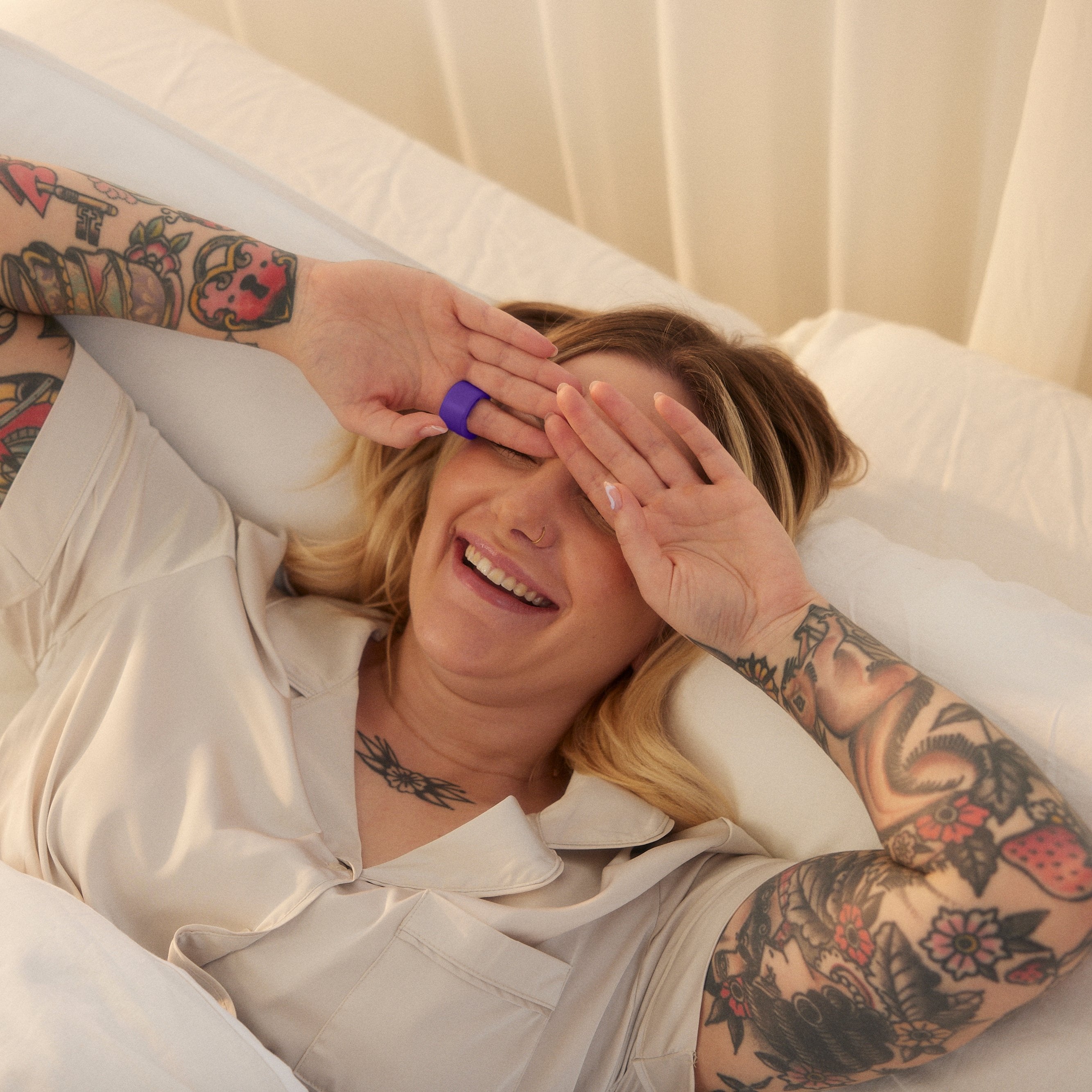
Size Guide
Hey Girl! We've got the perfect fit for your finger 💍
Our unique design allows for 3 sizes in one due to our split in the side of the device, which also accommodates to overnight finger swelling.
If you are on the cusp of a size, please size up.
| Kyri | AUS/UK | US |
|---|---|---|
| 1 | H 1/2 - J 1/2 | 4 - 5 |
| 2 | L - M | 5 1/2 - 6 1/2 |
| 3 | O - Q | 7 - 8 |
| 4 | Q 3/4 - S 3/4 | 8 1/2 - 9 1/2 |
| 5 | T 1/2 - V 1/2 | 10 - 11 |
Still not sure about your size? No worries!
If you don’t have a ring that you can use for finding your size, we recommend heading over to a jeweller and having them quickly size your index finger!
P.S - You can totally wear your Kyri on your index, middle, or ring finger! What's important is that you're consistent with the finger you choose and don't alternate between fingers.
- Only worn at night
- Unobtrusive temperature monitoring
- Enhanced reproductive health management and monitoring
- Personalised Insights
- Informed Decision Marking
- Built for women by women
Featured by


Cycle smarter, not harder


Fomo for real
Kyri unfiltered
-
PCOS VS PCO
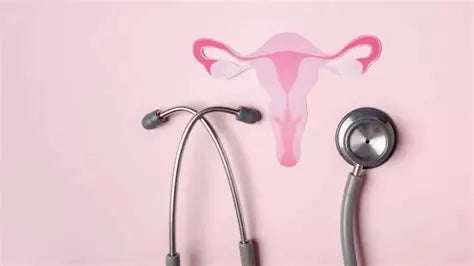
PCO and PCOS might look almost identical on paper, but they are not the same thing. PCOS (polycystic ovarian syndrome) is a collection of symptoms and hormonal imbalances that can affect your cycles, fertility, metabolism, and overall health. PCO (polycystic ovaries), on the other hand, simply refers to what’s seen on an ultrasound — ovaries with more than 15 follicles, which can be a normal variation and not necessarily a problem.
Unfortunately, these terms often get confused, leading women to unnecessary worry or even unsuitable treatments. If you’ve been told you have “polycystic ovaries” or “PCOS,” make sure you clarify which one your practitioner actually means. Knowing the difference is key to understanding your body and making the right decisions for your health.
-
Has Your Ovulation Test Been Wrong This Whole Time?
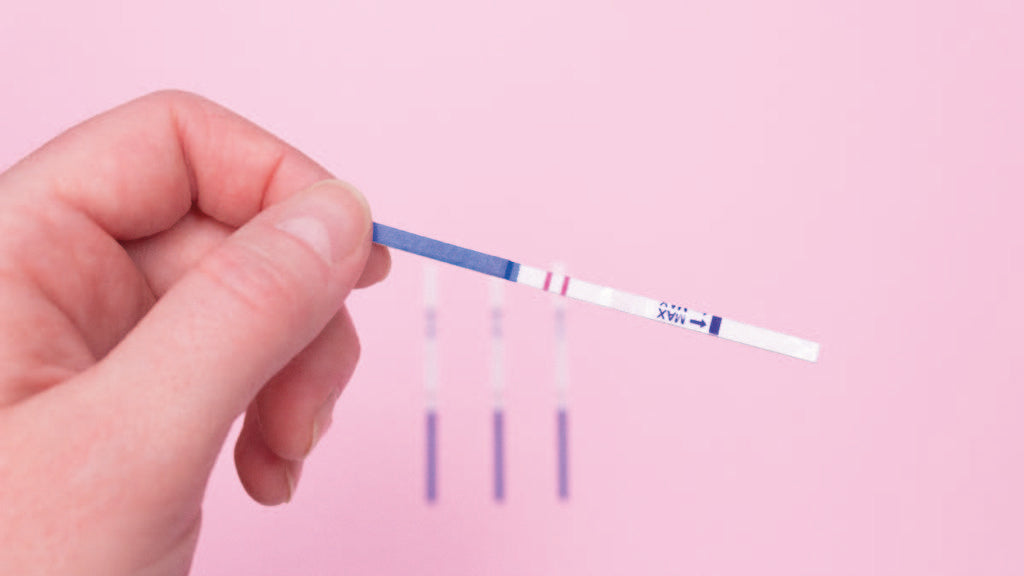
Ovulation tests (OPKs) can be a powerful tool for understanding your fertile window—but they’re not foolproof. These simple at-home urine tests detect surges in luteinizing hormone (LH), signaling that ovulation may occur within 36 hours. While helpful, OPKs can sometimes give misleading results—especially for women with conditions like PCOS, or if used without pairing them with other fertility markers. To truly confirm ovulation, tracking basal body temperature (BBT) and paying attention to cervical mucus changes are essential. When used together, these methods give you the clearest picture of your fertility, whether you’re trying to conceive or avoid pregnancy.
-
Why Magnesium Is Your Periods’ New Best Friend
If there’s one nutrient that deserves the crown for being the ultimate multitasker, it’s magnesium. This powerhouse mineral is essential for over 300 functions in the body—from calming your nervous system and improving sleep, to balancing hormones, easing period pain, and even supporting ovulation.
The reality is, most of us aren’t getting enough. Modern farming practices, stress, and even common medications (hello, the pill!) deplete our magnesium stores, making supplementation often necessary. The good news? Magnesium is generally safe, well-tolerated, and can be a game-changer for menstrual health—supporting conditions like PCOS, endometriosis, PMS, PMDD, and more.
So, whether through food or high-quality supplements like magnesium glycinate or citrate, this quiet hero deserves a top spot in your daily routine. 🌿✨
